

Best Gloves for Caregivers Managing Incontinence

Written by Nate Birt on Mon Feb 27 2023.
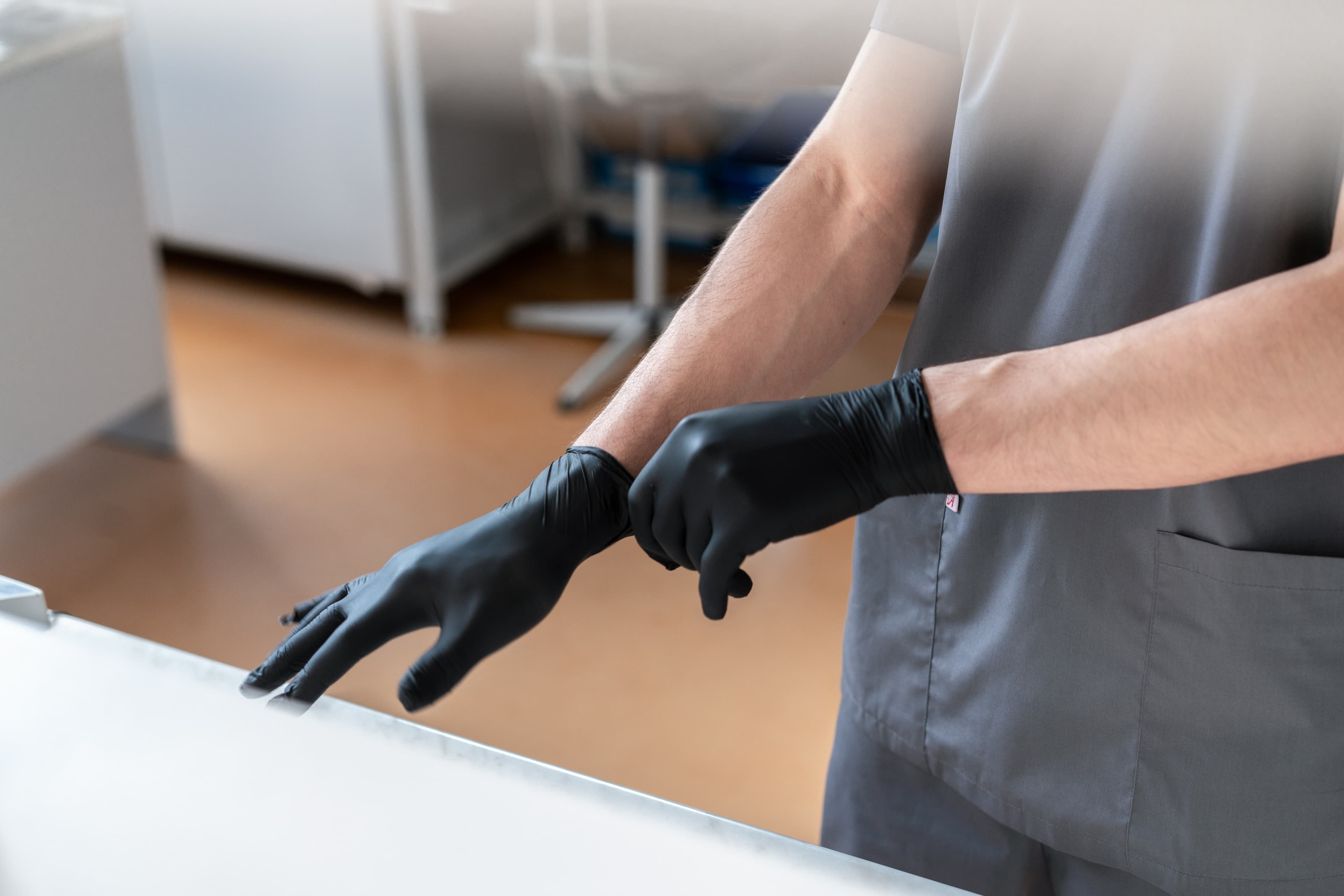
When you're helping a loved one with incontinence, thorough cleanup is crucial. Your goal is to keep them comfortable and dry while maintaining their dignity and independence. The right incontinence gloves are essential for providing the best care, protecting your skin, and preventing the spread of bacteria. Gloves create a vital barrier between your hands and incontinence products, which can contain urine or bowel movements. They make cleanup more pleasant and keep both you and your loved one safe.
This post will guide you through the best gloves for caregivers managing incontinence. We'll cover key features of high-quality gloves, discuss pricing, and compare available options. You can shop for all available incontinence management gloves in the Carewell catalog.
What are gloves for incontinence management?
Most gloves aren't made exclusively for incontinence. Instead, they're designed for various medical needs, including incontinence care. These gloves typically cover your entire hand for maximum protection when cleaning up urine and feces. They feature a flexible design to fit hands of various sizes and are easy to dispose of, preventing contamination of your loved one, yourself, and surrounding surfaces.
How we chose the best incontinence gloves
The products in this roundup were selected based on an analysis of Carewell customer reviews, detailed product information, and product ratings. Under each entry, you'll find real customer feedback.
Top incontinence gloves for caregivers
1. McKesson Vinyl Powder-Free Exam Gloves
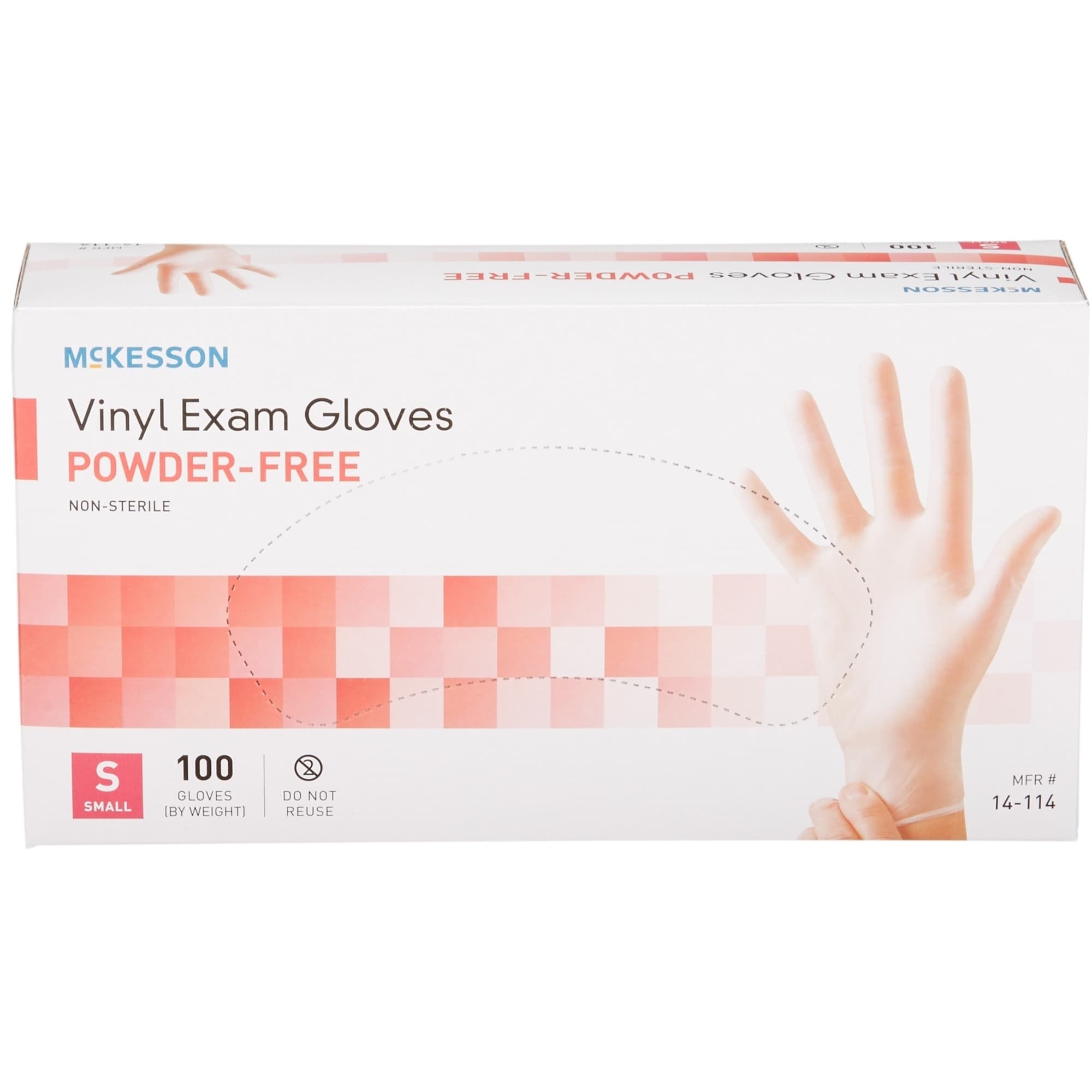
McKesson Vinyl Powder-Free Exam Gloves
Price: $4.96 - $94.21
These gloves took the title of most and best-rated among Carewell customersThey’re comfortable with a snug fit and don’t rip, ensuring you can clean up quickly after a void or an accident without the hassle of replacing gloves.
Key Benefits & Features:
Ambidextrous gloves with high tactile sensitivity
Not made with natural rubber latex
Clear gloves with a beaded cuff
Not chemo approved
For single use only
Customer Review: “Good thickness, easy to put on and off, value for money.”
2. McKesson Confiderm 3.0 Nitrile Powder-Free Exam Gloves
Health care professionals can protect their hands while on the job with these Confiderm 3.0 Exam Gloves. They have textured fingertips so that you can easily feel, grip and handle objects. These powder-free McKesson nitrile exam gloves are thin, highly conformable and elastic to give you a snug and proper fit. You can put them on either hand for your convenience, as they're ambidextrous.These single-use gloves have beaded cuffs so that they won't roll up. They contain no natural rubber latex to reduce skin irritation and discomfort.
Key Benefits & Features:
Textured fingertips give these non-sterile gloves outstanding tactile sensitivity
Thin texture and high elasticity provide a comfortable but snug conforming fit
These blue nitrile gloves are ambidextrous for convenient wear
Beaded cuffs prevent them from rolling up
The powder-free McKesson nitrile exam gloves are free of natural rubber latex
Hear it from a caregiver: “These are exactly as represented. Great fit and worked great for all the tasks needed in taking care of my mom.”
3. McKesson Pink Powder-Free Nitrile Gloves
Customers rave about the pink color of these gloves plus report they’re durable and high-quality. If you want to look stylish and effectively help your loved one with incontinence, look no further.
Key Benefits & Features
Provide a great fit and offer caregivers a comfortable way to manage incontinence
Textured fingertips for maximum usability, ambidextrous for grab-and-go needs
No interior coating
Hear it from a caregiver: “Wonderful fit, excellent value, neat color.”
4. Trilon Powder Free Synthetic Vinyl Exam Glove, Clear
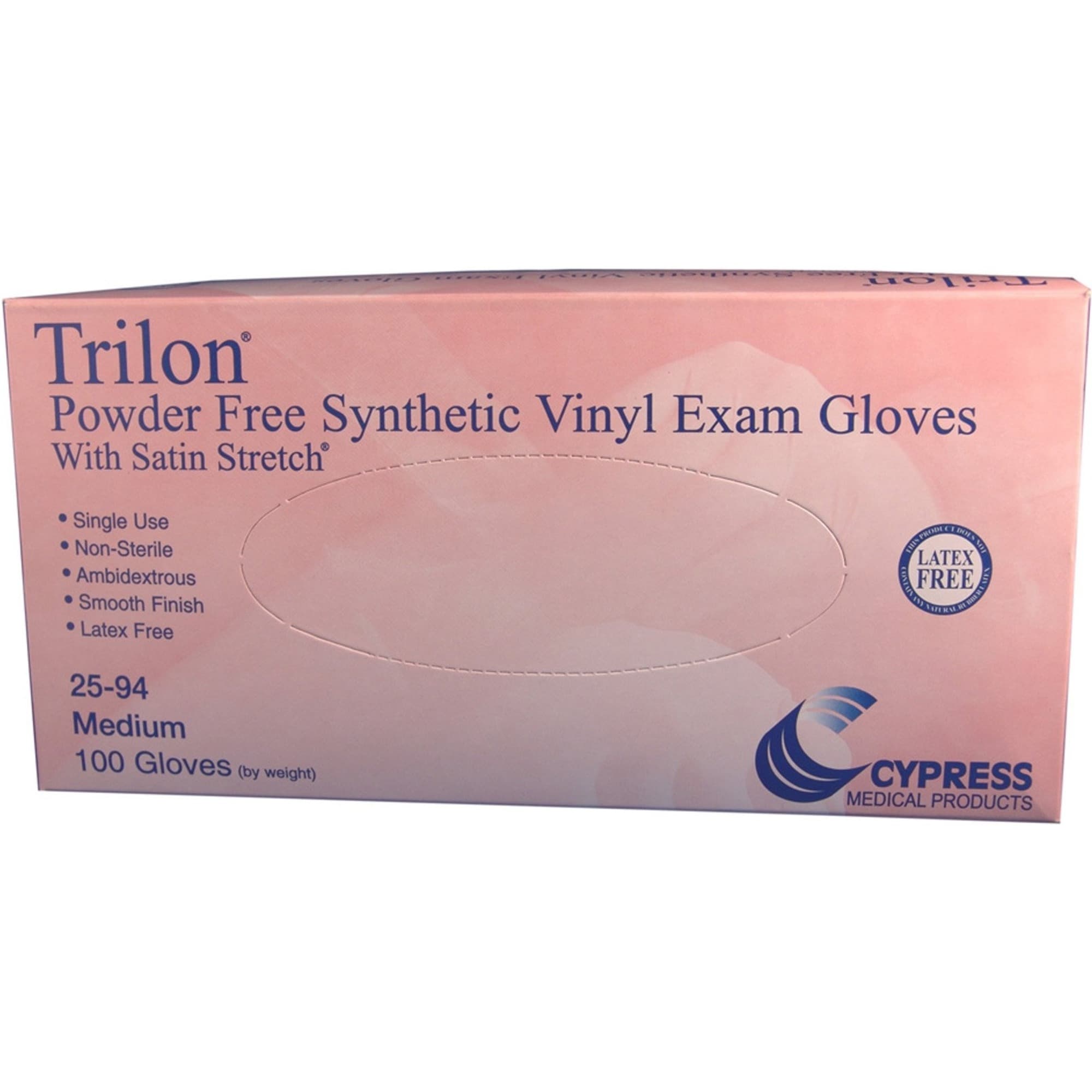
The ambidextrous build of these gloves means you can quickly grab a pair and go, whether you’re left- or right-handed. Customers like the price point and note these gloves are easy to wear. Some report they’re on the small side, so those with smaller hands might find them an especially good fit.
Key Benefits & Features:
Resist abrasions, punctures, and tears
Can be used for as long as needed while maintaining efficacy
Powder-free with high tensile strength for added sturdiness
Satin Stretch technology
Hear it from a caregiver: “Good product for a fair price.”
5. McKesson Confiderm 3.5C Nitrile Gloves

McKesson Confiderm 3.5C Nitrile Gloves
Price: $17.53 - $209.59
Breathability is a big plus with these gloves. Others with long fingers say they fit the bill, too, at a reasonable price. Comfort for a wide range of caregivers is the hallmark of this product.
Key Benefits & Features:
Conform to your hands to make incontinence cleanup easier.
Textured fingertips with standard cuff length
Built to reduce fatigue in caregivers’ hands
Hear it from a caregiver: “Very comfortable, durable and breathable. Price is reasonable.”
6. McKesson Perry Synthetic Surgical Gloves, Powder-Free, Size 7.5
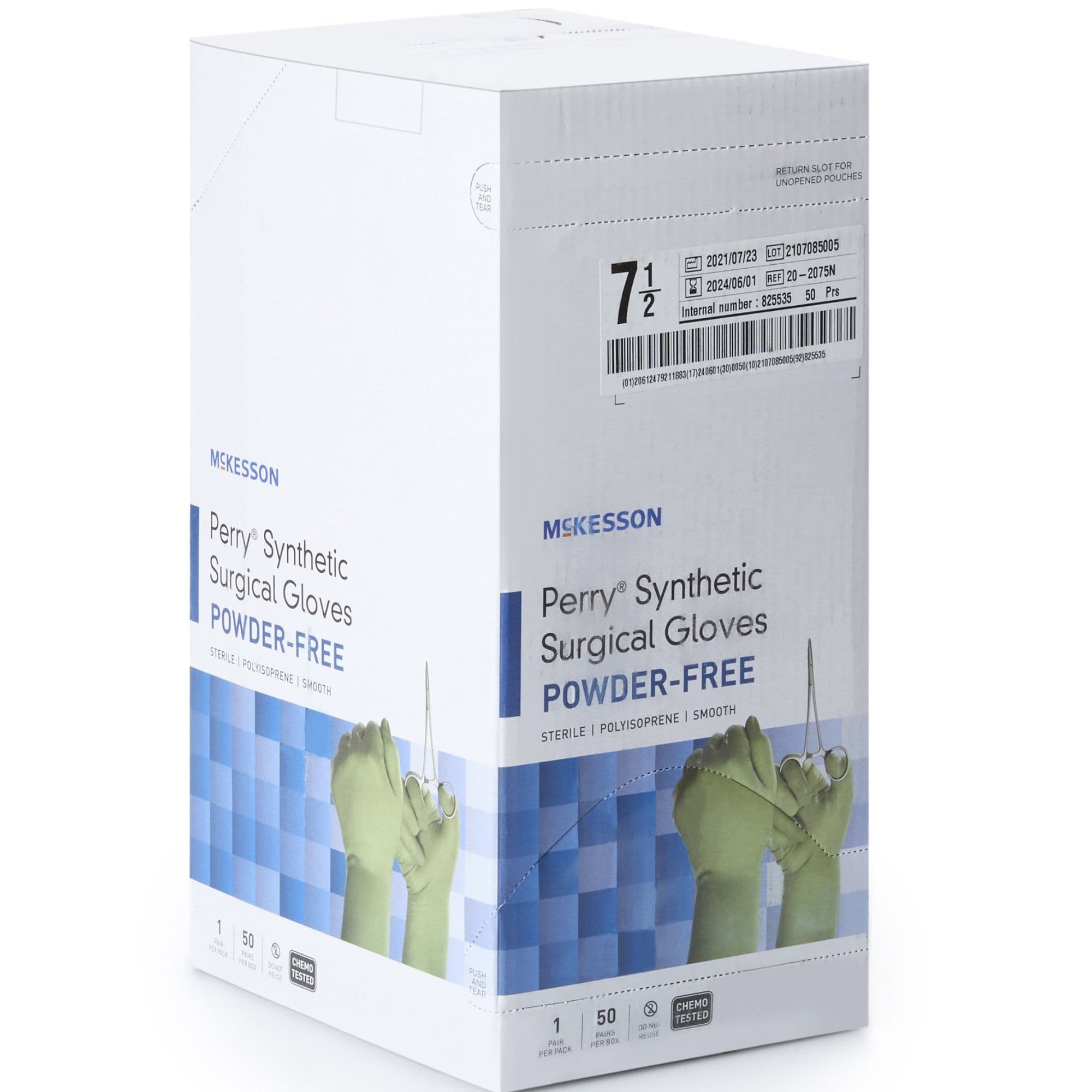
McKesson Perry Synthetic Surgical Gloves, Powder-Free, Size 7.5
Price: $114.74 - $522.99
These gloves feature a smooth anti-slip finish that keeps you focused on managing incontinence. You don’t have to worry about the distraction and frustration that comes with gloves that shift position on your hands.
Key Benefits & Features:
One-hundred percent synthetic polyisoprene
Acts like Latex for maximum performance without the risks Latex can cause
Built with anti-slip features and a smooth finish
SureFit Technology helps avoid glove roll-down and keeps hands clean
7. Microflex MidKnight Touch Exam Gloves, Textured Fingertips, Chemo Approved, Black
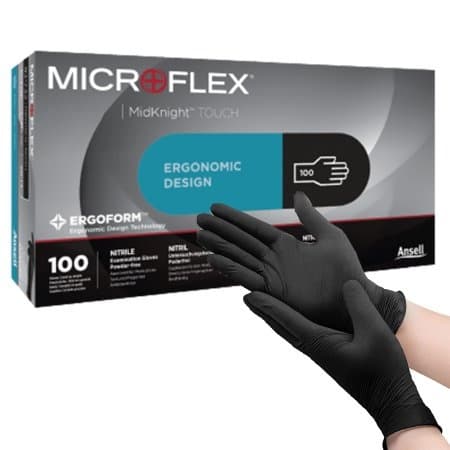
Microflex MidKnight Touch Exam Gloves,Textured Fingertips, Chemo Approved, Black
Price: $14.99 - $109.22
Safeguard your loved one’s dignity and privacy with these black-colored gloves, which mask pee and poop stains that occur during cleanup. An innovative ergonomic design helps you cut down on muscle strain while cleaning.
Key Benefits & Features:
Provides maximum dexterity for incontinence cleanup
Discreet design that can set your loved one at ease and prevent embarrassment
Textured fingertips make picking up objects easy.
Limit muscle strain with this glove’s ERGOFORM Design Technology
How to choose the best gloves for incontinence management
When choosing gloves for incontinence management, consider the type of incontinence your loved one experiences.
For light to moderate incontinence, you might need fewer gloves because cleanup will be less frequent. This is especially true for urinary incontinence, which can often be contained with adult briefs or pull-ups. Gloves can help you clean up dribbles and leaks without major wear and tear and are easily disposable.
Consider purchasing more gloves for loved ones who experience heavy or bowel incontinence. You may need to change gloves more frequently when cleaning up feces or diarrhea. It’s also a good idea to look for gloves known for their strength and resistance to breaks and tears. This will keep your hands clean and minimize the number of glove changes you need to make.
Finally, think about your personal preference for how you’d like to look while providing care. This isn't selfish or vain. Some caregivers prefer discreet gloves that are clear, black, or blue. Others like to make a statement and boost their confidence with fun colors like green or pink. When all other factors are equal, a little color can add some cheer to the day for both you and your loved one.
Commonly asked questions about incontinence gloves
1) If you are a female who wears gloves that are size 8-8.5, which size do you order?
Here’s a quick summary of how to size gloves:
Extra small: 7.5 inches and smaller
Small: 7.5 – 8.5 inches
Medium: 8.5 – 9.5 inches
Large: 9.5 – 10.5 inches
Extra large: 10.5 – 11.5 inches
XXL: 11.5 inches and larger
2) What size is best for an average adult female's hands?
Either a medium or large glove would typically work well for an average adult female's hand size.
3) What are gloves for incontinence management made of?
It depends on the specific product. Common options include nitrile or vinyl. A few gloves may also be made from other synthetic materials.
4) Which glove goes on which hand?
Most gloves are ambidextrous, meaning they'll fit on either your left or right hand. This makes it easy to grab gloves and get to work with cleaning or any other support your loved one with incontinence might need.
Key takeaways about incontinence gloves
Gloves are a necessary part of caring for a loved one with incontinence. With many innovative options available, caregivers should evaluate factors such as the type of incontinence (bowel or urine), frequency of changes, glove design, and even style when making a purchase.
Need some help?
If you need extra help selecting the best gloves for incontinence care, Carewell’s Caregiving Specialists are standing by to assist you! Simply call (800) 696-CARE for assistance.
Other Articles You May Like

Checklist for Managing Light Incontinence
If you or a loved one experience light incontinence, you’re familiar with leading an active life while avoiding unexpected accidents. Even small things, such as coughing or laughing, can cause you to leak. Here are some products that you can use yourself or to help a loved one who might experience light incontinence.
Read More >
Easy Tips for Removing Urine Odor
Living with incontinence can be a source of embarrassment for your loved one and stress for you as a caregiver. The good news is you're not alone, and there are highly effective ways to manage and eliminate human urine odor. We've compiled a list of top tips to help caregivers maintain a fresh and clean home environment.

Medically Reviewed by Kiera Powell, R.N.
Nate Birt
Nate Birt is a healthcare writer with a journalism degree from University of Missouri. He lives with his wife and their four children on a small farm in Missouri.