

Best Spirometers of 2025 & How to Use Them
Written by Carewell Team on Thu Jun 19 2025.
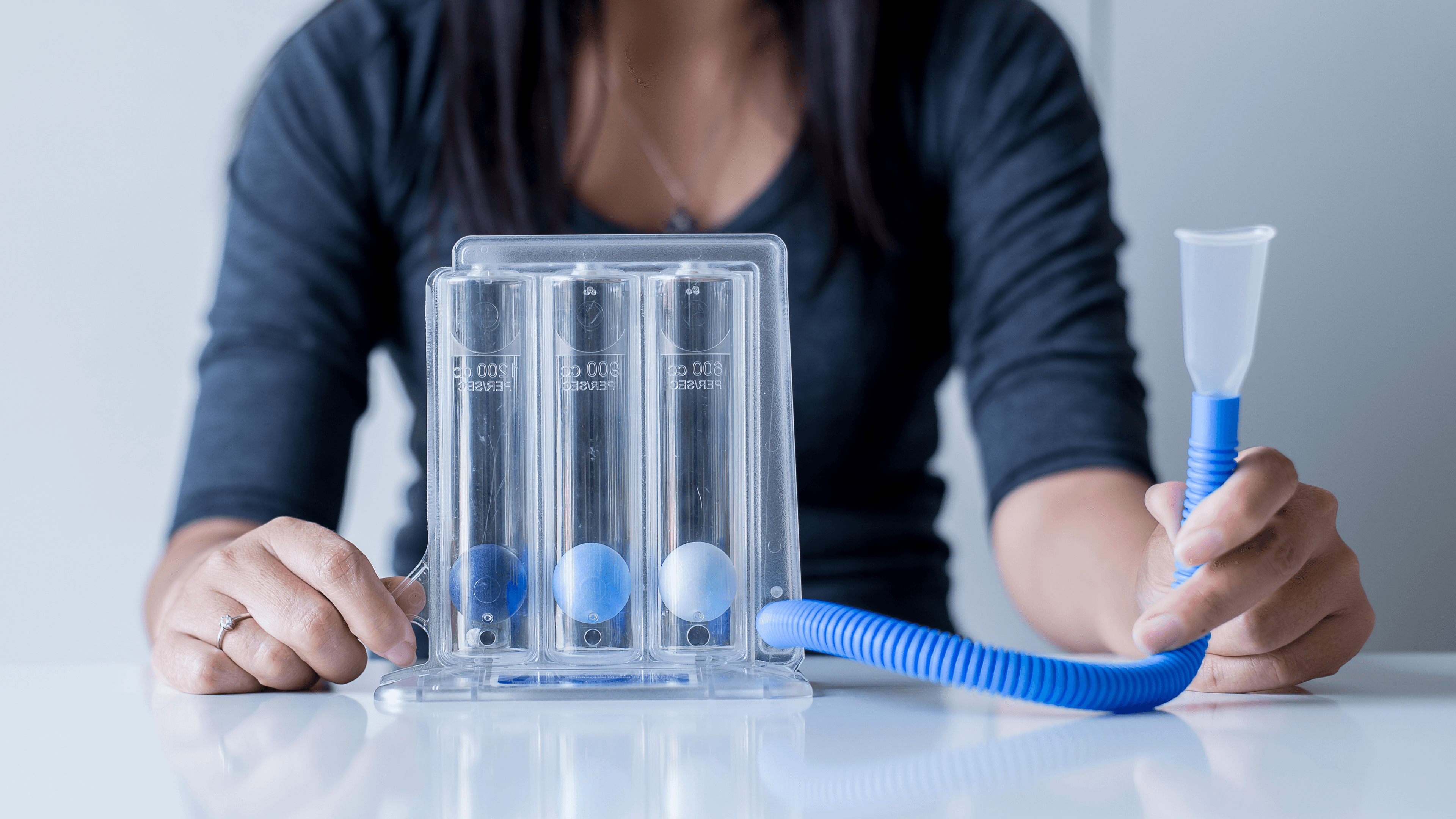
Imagine a simple act we often take for granted: breathing. For many, it's effortless. But what if every breath felt like a monumental effort? For individuals recovering from surgery, battling chronic lung conditions, or simply looking to enhance their respiratory strength, breathing can become a significant challenge.
This is where the humble yet powerful spirometer comes into play. Far more than just a measurement tool, these innovative devices are vital for both assessing and actively improving lung function.
In this comprehensive guide, we'll demystify what a spirometer is, differentiate between its types, provide a clear, step-by-step guide on how to effectively use an incentive spirometer, and highlight some of the best devices available to help you breathe easier and recover stronger.
What is a spirometer?
A spirometer is a medical device used to measure and improve lung function. While all spirometers deal with air movement, they broadly fall into two main categories:
Diagnostic Spirometers: These are typically used by healthcare professionals during lung function tests to help diagnose conditions like asthma, Chronic Obstructive Pulmonary Disease (COPD), and other respiratory illnesses. They measure various breathing flows and volumes, such as the total amount of air you can exhale (Forced Vital Capacity - FVC) and how much air you can force out in one second (Forced Expiratory Volume in 1 second - FEV1).
Incentive Spirometers: These devices are primarily used for rehabilitation, especially after surgery or a lung illness. Their main goal is to encourage you to take slow, deep breaths, which helps expand your lungs, clear airways, and prevent complications like pneumonia. You can easily use an incentive spirometer at home.
Regardless of the type, spirometers measure how much air your lungs can hold and how forcefully you can exhale. Their capacity can range anywhere from 1000 ml to 7000 ml, depending on the specific model and its intended use. It's crucial to follow your healthcare provider’s recommendation on which type is right for your needs.
How to use a spirometer:
Instructions for using an incentive spirometer can vary slightly by product, so always consult the manufacturer's specific guidelines. However, most incentive spirometers feature colored balls or a piston that rises as you inhale or exhale with the desired force.
Here are some general best practices for effective use:
Preparation is Key: About an hour before your test or exercise, avoid smoking, alcohol, and large meals, as these can affect your lung capacity. Ensure you're not wearing tight-fitting clothing.
Optimal Posture: Sit up as straight as you can with your feet flat on the floor and your chin slightly up. This position allows for optimal lung expansion.
Position the Device: Hold the spirometer instrument in an upright position.
Seal Your Lips: Create a tight seal around the mouthpiece with your lips to prevent air from escaping.
Inhale Slowly and Deeply: Breathe in slowly and as deeply as you can. Watch the balls or piston rise into the outlined target area, aiming to keep them elevated for as long as possible.
Hold Your Breath: Once you've inhaled fully, hold your breath for at least 3-5 seconds, or as long as comfortably possible. This helps expand your tiny air sacs (alveoli).
Exhale Slowly: Gently exhale, allowing the balls or piston to fall.
Rest and Repeat: Rest for a few seconds after exhaling, then repeat steps 5-10 times, or as directed by your healthcare provider. Consistency is key for improvement!
Cleaning and Maintenance: If your product has a disposable mouthpiece, ensure you replace it as directed (typically not more than every 24 hours). For cleaning, remove the tube and mouthpiece and hand wash them with warm water and mild soap.
Common Mistake to Avoid: Don't rush your breaths or breathe too shallowly. The goal is a slow, deep, sustained inhale.
Our Picks: Recommended Spirometers for Home Use
AirLife Spirometer

This spirometer is designed with user comfort and ease of use in mind, making it perfect for home recovery.
Design: It's comfortable grip allows for easy handling during use.
Readability: Calibrations are clearly listed on both sides of the tube for straightforward measurement reading.
Flexibility: The tubing is flexible, offering users more freedom in mouthpiece positioning.
Safety Feature: A one-way valve option gently reminds patients to inhale, preventing accidental exhalation into the device.
Capacity: This device measures volumes up to 4,000 ml.
Triflo II Incentive Spirometer Adult
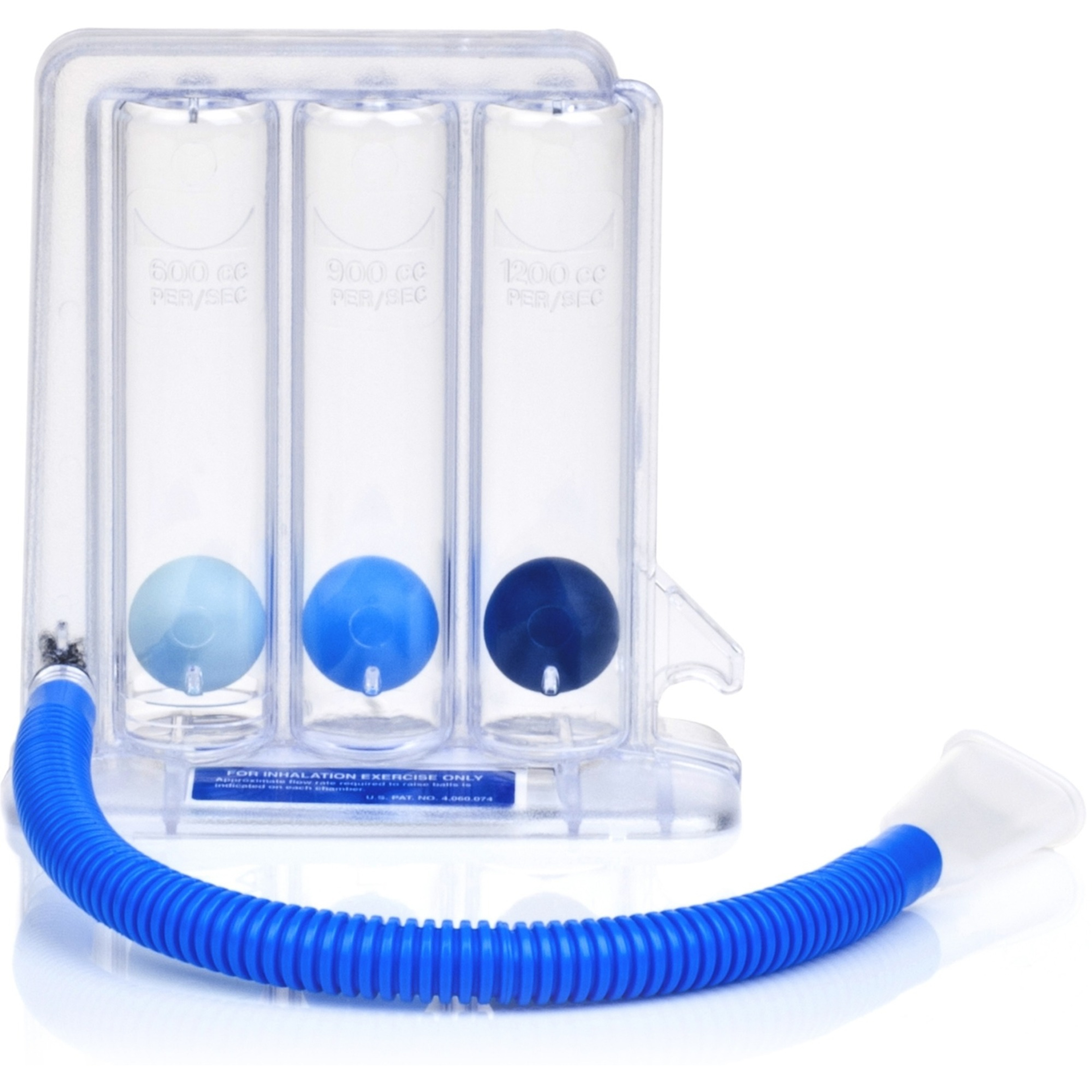
The Triflo II is a compact device known for its intuitive visual feedback, making it excellent for tracking progress.
Visual Feedback: Users inhale through the mouthpiece, causing color-coded balls to rise, indicating airflow rates of 600 to 1200 cubic centimeters per second.
Motivation: This visual representation allows you to see your progress instantly. The higher the balls reach the chamber, the stronger your breathing muscles are becoming.
Compact Design: Its smaller size makes it convenient for home use and storage.
Lung illness and related issues are incredibly difficult circumstances to overcome for any person or loved one. Luckily, an incentive spirometer can be a crucial tool to assist with recovery, strengthen breathing muscles,and improve overall lung function after such events. These easy-to-use devices are an essential part of any caregiver’s supplies or personal health toolkit.
If you have questions about any of the items we’ve linked to in this post, please don’t hesitate to reach out to our friendly Caregiving Specialists. You can call us at (800) 696-CARE or send an email to support@carewell.com. We're here to help you make the right decision for your loved one’s needs.
Other Articles You May Like
How to Choose a CPAP Mask for Any Sleep Position
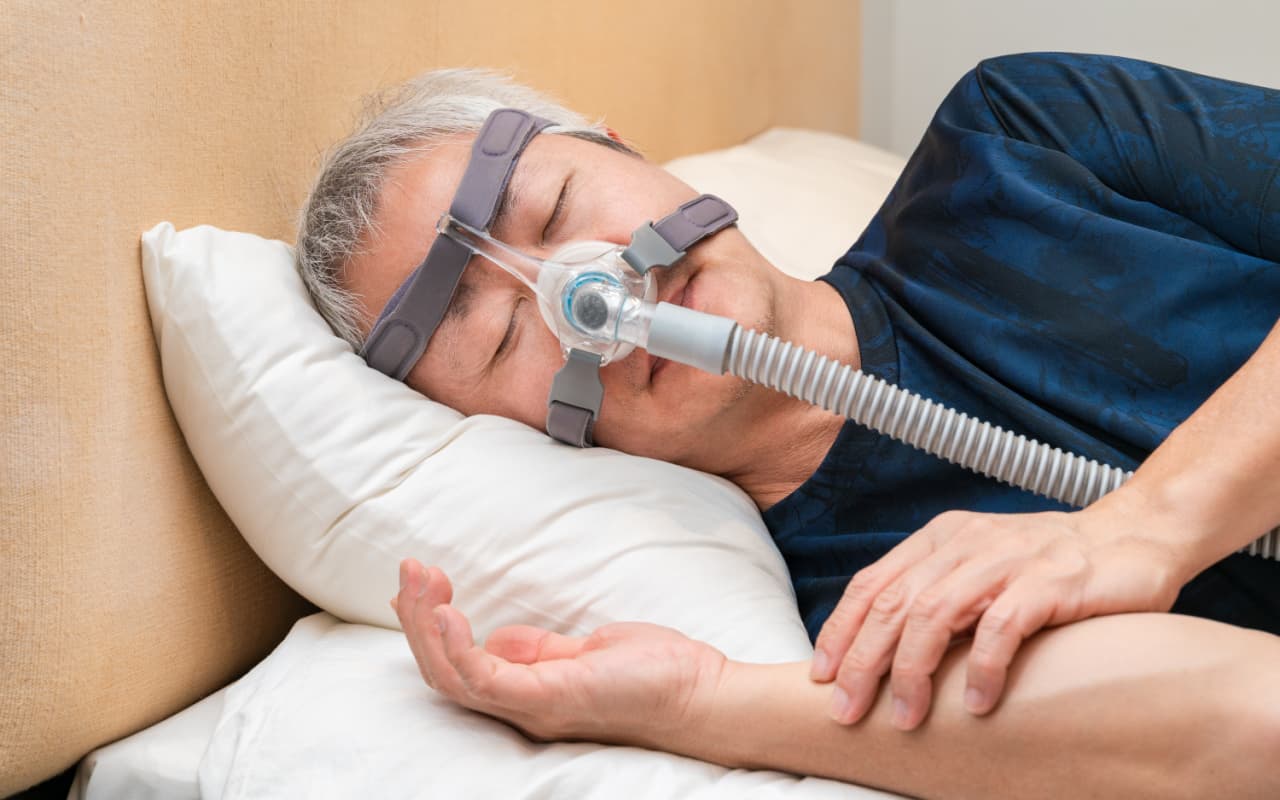
You've been diagnosed with sleep apnea and have a prescription from your primary care physician. Now, all you need is a CPAP machine and a mask. But how do you choose a CPAP mask? And what factors should you consider before making a decision?
Read More >
9 Best COPD Products that Make Breathing Easier of 2025
More than 15 million Americans are living with chronic obstructive pulmonary disease (COPD), a group of disorders that affect the airways, making it difficult to breathe. There's no cure for COPD, but there are various COPD products that can make daily activities (and breathing, in general) much easier.
See the products. >