


9 Best Diabetic Supplies to Adapt to a New Diagnosis of 2025

Written by Declan Davey on Mon Dec 30 2024.

A new diabetes diagnosis can bring a lot of questions, especially about managing the condition and understanding what supplies you'll need. You might also be wondering, "Does Medicare cover diabetic supplies?"
If these questions are on your mind, this guide is for you! We'll break down everything you need to know about essential diabetes supplies and Medicare coverage.
Does Medicare cover diabetic supplies?
Navigating Medicare coverage for diabetic supplies can feel complex, but we're here to simplify it. While we'll do our best to explain, we always recommend consulting the official Medicare.gov document, "Medicare Coverage of Diabetic Supplies, Services & Prevention Programs," for the most up-to-date and comprehensive information.
First, it's crucial to understand the difference between Medicare Part B (medical insurance) and Medicare Part D (prescription drug coverage) when it comes to diabetes care.
Medicare Part B generally covers services and supplies that directly impact people with diabetes, including some preventive services for those at risk. To qualify for coverage of many diabetes supplies and services, you typically need to have Part B.
Medicare Part D covers diabetic supplies used for injecting or inhaling insulin. To receive coverage for these supplies, you'll need to be enrolled in a Medicare prescription drug plan.
Confused? Don't worry! You can find detailed coverage tables and specific information on Medicare.gov by searching for "Medicare Coverage of Diabetes Supplies." These tables will show you exactly what Medicare covers and what percentage of the cost you might be responsible for.
9 essential diabetic supplies to have at home
Whether you're newly diagnosed or providing long-distance care, having the right diabetic supplies on hand can provide immense peace of mind and help ensure safe, effective diabetes management.
So, what are these essential diabetes testing supplies and aids? Let's take a look.
1. Blood Glucose Meter

A blood glucose meter is fundamental for good diabetes management. These devices provide real-time readings of your blood sugar levels, helping you keep them within a healthy range. Many monitors require only a small blood sample, while others may have advanced features that need a slightly larger one.
If you have type 1 diabetes, you might want to look for meters that also offer ketone measurements, especially if you're concerned about the risk of ketoacidosis.
How to test your blood glucose (sugar) levels:
Always consult your doctor or healthcare professional to determine how often you should check your blood sugar levels.
2. Blood Pressure Monitors

High blood pressure affects nearly one in three U.S. adults, and diabetes can increase your vulnerability to blood pressure fluctuations. The American Diabetes Association recommends that people with diabetes have their blood pressure checked at every doctor's visit. A home blood pressure cuff can be an excellent tool for monitoring your readings between appointments.
3. Compression Socks

Diabetes symptoms can include reduced circulation, swelling (edema), and more serious issues like diabetic neuropathy. This nerve damage can cause numbness, pain, ulcers, and tingling or burning sensations in the feet. Diabetic socks, often referred to as compression socks, offer protective support to the toes and help reduce the risk of complications.
4. Glucose Tablets or Gel


If you've experienced a sudden drop in blood sugar levels (hypoglycemia), you know how unsettling it can be. Glucose tablets or gel provide a rapid way to counteract that shaky, weak, or dizzy feeling. They come in various flavors and are easy to consume, making them perfect for quick relief at home or on the go.
5. Diabetic Lotion

Diabetes can often lead to dry, rough, and uncomfortable skin. Specially formulated diabetic lotions can provide much-needed hydration and relief, helping to keep your skin healthy.
6. Glucose Monitor Apps
mySugr – Diabetes App & Blood Sugar Tracker
While pen and paper are still options for logging blood sugar readings, they can be inconvenient—notes can get lost or damaged! This is where glucose monitor apps become invaluable. Many apps can store and track your data over days, weeks, and months, often syncing seamlessly with your glucose monitor. This allows you and your doctor to easily monitor glucose and insulin levels, identify trends, and even find motivation in seeing your progress.
SUGGESTED READING: Making Family Caregiving Easier in 2021 — the Caring Village App
7. Lancets

No one enjoys pricking their skin, but blood samples are essential for accurate glucose readings. Lancets are designed to make this process much simpler. Their fine tips allow you to gently pierce a tiny area of skin, drawing a small blood droplet to the surface.
8. Nutrition Shakes

Nutrition shakes are specifically formulated as a healthy snack or meal replacement for people with diabetes. They are designed to help control blood sugar spikes, making them a convenient option for managing your diet.
9. Test Strips

Glucose test strips are used in conjunction with lancets (or a lancing device) and a blood glucose monitor for comprehensive diabetes management. To get a blood sugar reading, simply follow these four steps:
Step one: Insert a test strip into your blood glucose monitor.
Step two: Prick your fingertip with your lancet/lancing device.
Step three: Touch the blood droplet to the test strip.
Step four: Note the blood sugar reading, which typically appears within seconds.
Ready to get your diabetes supplies?
We hope this guide has given you a clear understanding of the essential diabetic supplies that can help you or your loved one adapt to a new diagnosis and manage diabetes effectively.
If you need more assistance choosing the best diabetes supplies for your specific needs, please don't hesitate to reach out to the Carewell support team. You can call us at (800) 696-2273 or email support@carewell.com.
Other Articles You May Like
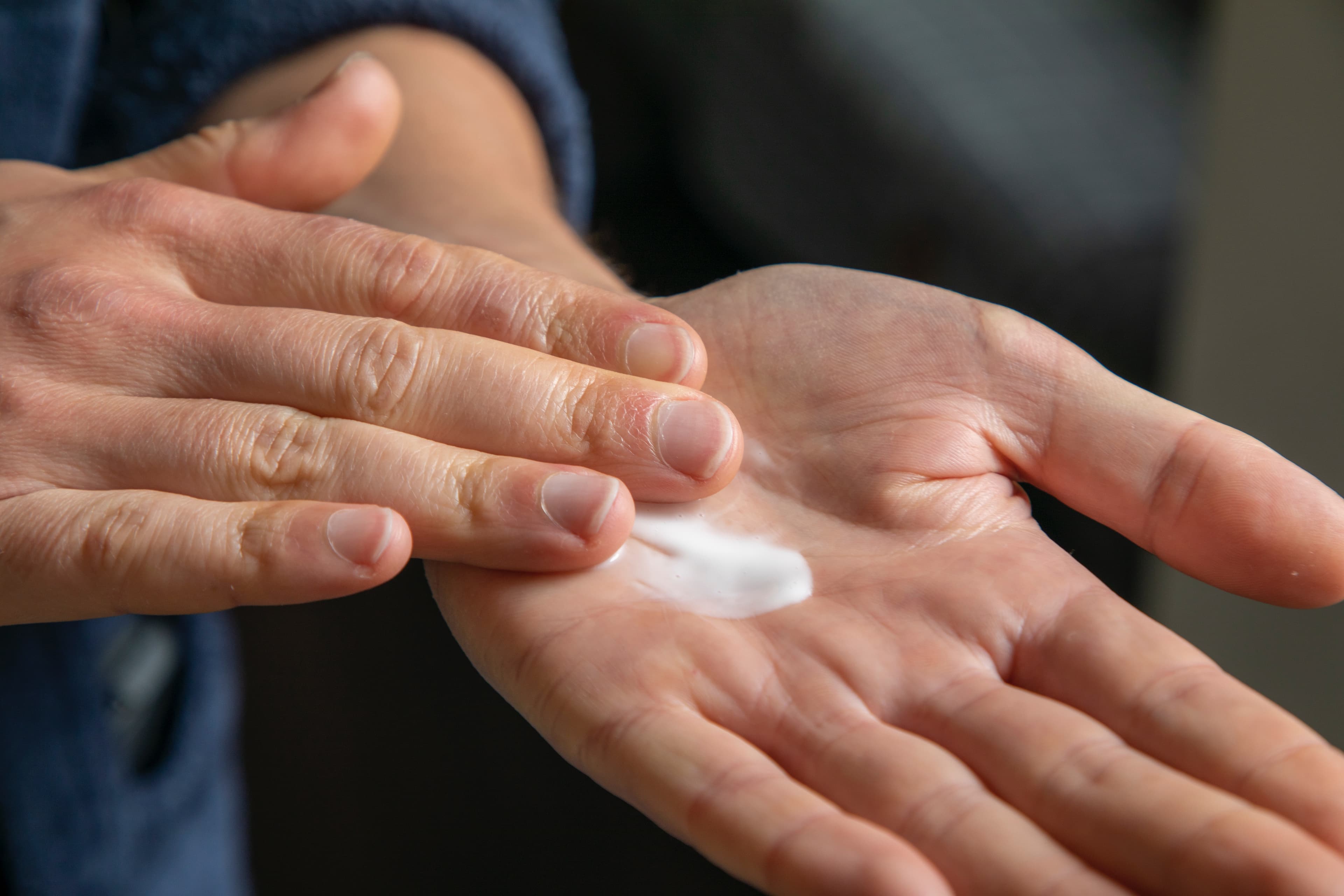
3 Best Lotions for Dry Diabetic Skin of 2025
Many common diabetic skin issues are treatable and preventable with proper care. We've researched and gathered top recommendations for creams and lotions for diabetic skin, including specialized products and other effective moisturizers. These selections are based on what real people with diabetes have found beneficial.

Medically Reviewed by Kiera Powell, R.N.

Diabetes and Nutrition: Tips for Keeping Blood Sugar In Check
There’s no cure for diabetes, but you can take steps as a caregiver to reduce your loved one’s risk of more serious health problems. One of the easiest ways to do that is by keeping your care recipient’s blood sugar in check.
Read More >Declan Davey
Declan Davey is a health and wellness copywriter from London, UK. His background includes roles as a psychological therapist for Islington Memory Service, where he worked with family caregivers, and as a rehab assistant at Camden Neurology & Stroke Service.